
”It’s easy to assume that retention hinges on offering more perks or increasing compensation. While those investments are important, they do not always address the root of daily frustration.
In skilled nursing and senior living, retention is often discussed in terms of pay, benefits, and workplace culture.
Those factors matter. But there’s another lever that has quietly become just as powerful, and often more immediate in its impact on day-to-day experience: scheduling.
In this blog, we explore why what was once viewed as a back-office task is now central to how employees feel about their jobs, their teams, and their ability to stay long term.


The hidden link between scheduling and satisfaction
For frontline care staff, schedules shape everything. A flexible schedule can help employees prioritize their family and personal obligations while still bringing their all to work.
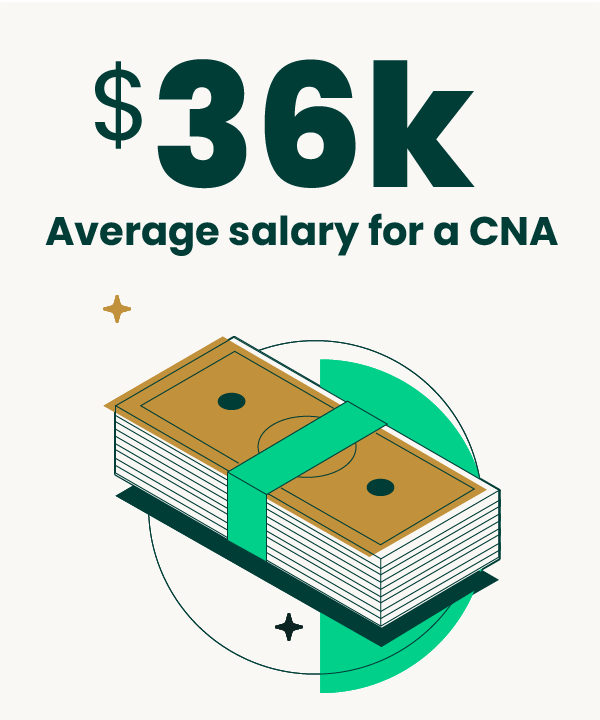
That balance is especially critical in environments where the work is physically and emotionally demanding. CNAs, for example, are at particularly high risk of burnout. Not only are they supporting residents through complex care needs each day, but they are often doing so with limited financial upside, with average annual earnings around $36K.
When schedules feel unpredictable or unfair, the strain compounds quickly. Even small frustrations like unclear shift assignments, last-minute changes, or perceptions that other workers’ scheduling requests are being prioritized can erode trust over time.
The myth of perks as the primary retention driver
It’s easy to assume that retention hinges on offering more perks or increasing compensation. While those investments are important, they do not always address the root of daily frustration.
In reality, many employees are looking for:
- Predictability in their schedules
- Transparency in how shifts are assigned
- Fair access to overtime opportunities
- Clear, timely communication
When these elements are missing, even generous benefits packages can fall short. On the other hand, when scheduling is handled thoughtfully, it reinforces a sense of respect and stability that employees feel every day.
When good intentions lead to burnout
Many schedulers and operators do their best to keep shifts covered, often relying on overtime requests or temporary workers from staffing agencies to fill last-minute gaps. When scrambling in the moment, this can feel like the only option.
Some employees may welcome extra hours, especially when they want to boost their income. But everyone has limits. In a 2025 survey, 74% of nurses said they felt emotionally drained from work multiple times a week in the past month.
Over time, repeatedly leaning on the same individuals, even if voluntary, to cover gaps can lead to fatigue, disengagement, and ultimately turnover.

The ripple effects of agency reliance
Temporary agency staff can play an important role in maintaining coverage, but over-reliance introduces its own challenges. Teams may experience:
- Disruptions in continuity of care
- Strain on full-time staff who must orient new workers
- Perceived inequities in pay or workload
These dynamics can create friction within teams and contribute to dissatisfaction among core staff, the very people organizations are trying to retain.
Get your free demo
Apploi is the all-in-one platform to hire, onboard, & schedule top healthcare talent

Outdated scheduling creates unnecessary friction
Many communities are still managing schedules through manual processes like whiteboards, spreadsheets, or mass emails and texts. These approaches often lead to:
- Confusion about who is working which shift
- Delays in filling last-minute call-outs
- Perceptions of favoritism in assigning overtime or approving PTO
- Uncertainty about whether a shift has been covered
When communication is fragmented, employees are left guessing. That lack of clarity can quickly turn into frustration that can contribute to turnover.
Predictability builds trust
When schedules are consistent and visible, employees can plan their lives with confidence. That alone can reduce last-minute call-outs and difficult scheduling conversations.
Predictability means creating a system where changes are communicated clearly and fairly, and where employees feel informed rather than surprised. Over time, this builds trust between staff and leadership, which is a cornerstone of retention.
A modern approach to scheduling
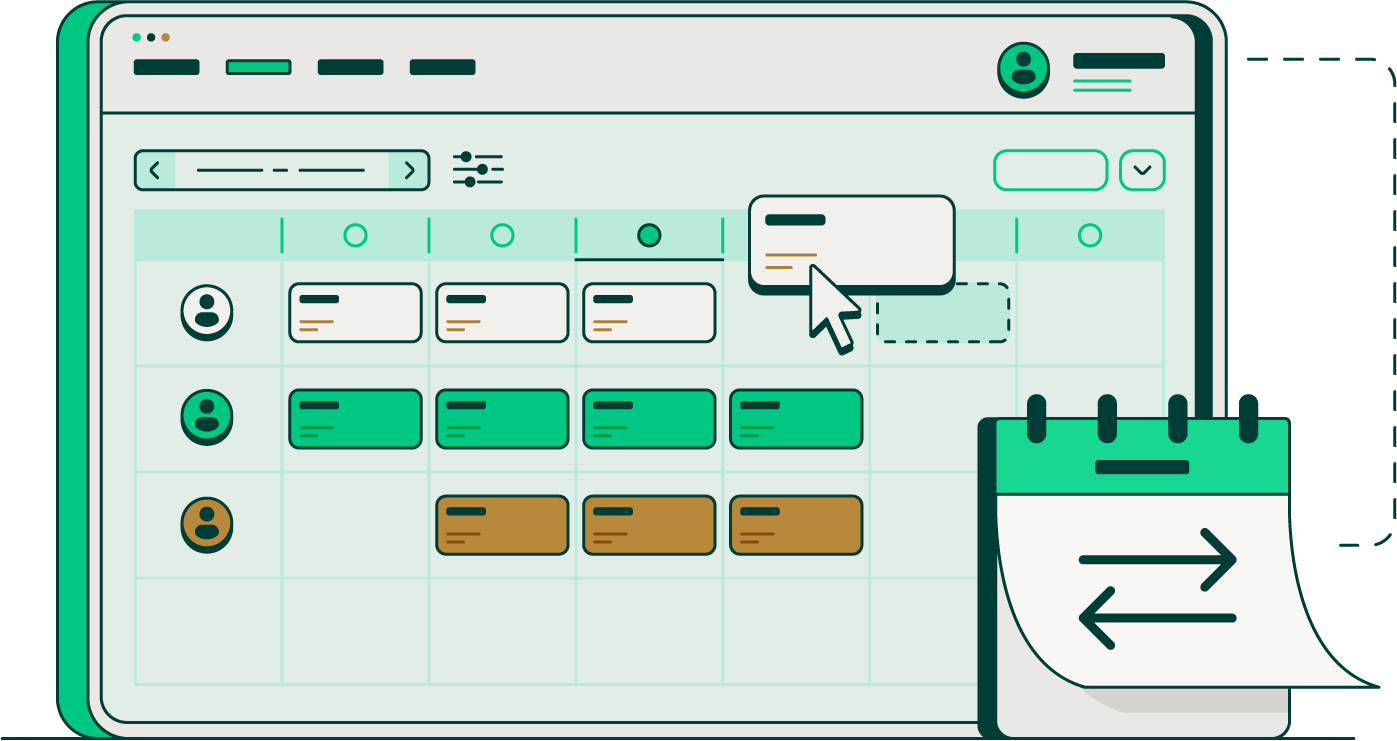
Technology is helping organizations rethink how scheduling supports their workforce. With the right tools, operators can:
- Communicate open shifts in real time
- Allow staff to pick up shifts directly from their phones
- Balance hours across team members before triggering overtime
- Gain visibility into who wants more hours and who is nearing limits
- Maintain a single, reliable source of truth for schedules
These capabilities create a more transparent and equitable environment where employees feel empowered and respected.
Scheduling as a strategic advantage
In today’s senior care workforce environment, retention is shaped by everyday experiences. Scheduling sits at the center of those experiences.
When done well, it reduces burnout, strengthens communication, and helps teams feel more in control of their time. When overlooked, it can quietly undermine even the best retention strategies.
For skilled nursing and senior living providers looking to stabilize their workforce, rethinking scheduling is a powerful place to start.
Solutions like Apploi Schedule are designed specifically for this environment, helping teams move away from manual processes and toward a more transparent, flexible, and data-driven approach. By making it easier to communicate, balance workloads, and give staff more control over their schedules, organizations can build the kind of trust and stability that keeps employees engaged for the long term.