


Did you know that one in three workers is a caretaker for a child (or children) under 18?
Working parents make up a huge part of the workforce, yet their needs are often overlooked.
Offering childcare services is a great way to stand out from other employers and offer additional support to your employees with children. But creating an on-site daycare center can take time and effort. Is it the right option for you? We break down what you need to know before you set up a daycare.


”Setting up a daycare center is hard work, but it’s clear that working parents aren’t getting enough aid right now.
Why Invest in On-Site Childcare?
Daycare is expensive, and families are likely already overburdened by the ongoing COVID-19 pandemic and the strain of inflation. According to LinkedIn, 62% of American parents have difficulty sourcing affordable and quality childcare. And a whopping 83% of millennials would change employers for better family-friendly benefits.
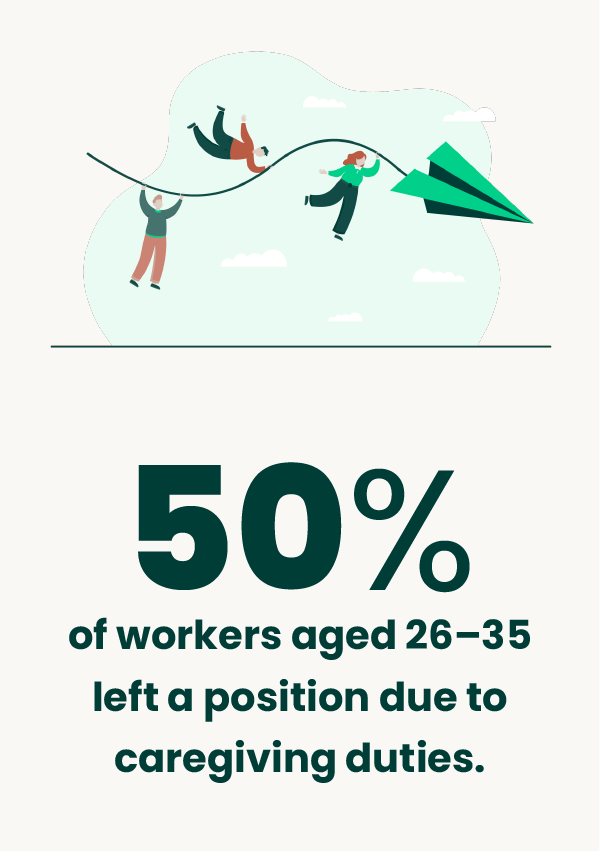
Not only can offering childcare help you attract your ideal candidates, it can also help retain current workers. Research from Harvard Business School shows that 50% of employees aged 26-35 and 27% of employees aged 18-25 have left a position due to their responsibilities as a caregiver. This can have ripple effects throughout a company, from changing team dynamics to financial anxiety on behalf of the departing employee, to greater burden faced by current employees due to understaffing.
Setting up a daycare center is hard work, but it’s clear that working parents aren’t getting enough aid right now. On-site childcare centers can be a great way to offer your employees material support.
With one in three workers being a caretaker for a child (or children) under 18, working parents make up a huge part of the workforce, yet their needs are often overlooked. Offering childcare services is a great way to stand out from other employers and offer additional support to your employees with children. But creating an on-site daycare center can take time and effort. Is it the right option for you? We break down what you need to know before you set up a daycare.
How to Set Up a Daycare Center for Healthcare Employees
Do you feel like setting up a daycare center is right for you? If so, here are the steps you need to take. Here’s how to set up a daycare center for healthcare employees.
”You may find that they’d rather get reimbursed for their child care expenses
1. Gauge Your Employees’ Needs
You don’t want to put in the time and money to create a childcare center that doesn’t match your employees’ needs. Use surveys, town halls, and informal check-ins to understand the childcare needs of your employees.
You may find that they’d rather get reimbursed for their child care expenses than access an on-site childcare facility, or that they’d prefer an emergency-only daycare center.
Surveys can also give you an idea of the capacity your daycare needs in order to appropriately serve your staff. If you do decide to reimburse, make certain that you’re compliant with IRS and all other benefits legalities. You can also offer DCA accounts for employees with children under school age.
2. Decide on Scale and Budget
Setting up a child care center can be a complicated endeavor. It’s good to have some goals in mind. Here’s some questions to ask yourself before you get started.
- What age ranges do you want to serve?
- What are the hours you’d prefer for your daycare center?
- What kind of amenities do you want to provide?
- What is the budget you are willing to use for this daycare center?
- Who is providing care?
- What new roles do you need to create for this program?

3. Look Into Licensing and Employment Rules in Your State
The safety of the children in your care comes first. It’s important to be compliant with state licensing laws and regulations.
Consider involving legal counsel to ensure that everything, from employee to child ratios, room dimensions, to the qualifications of caretakers, is correct.
4. Consider Working With an Agency
Some companies choose to work with childcare agencies, while others choose to start their daycare from scratch. If you’ve been wondering how to set up a daycare, an agency can take a lot of the process out of your hands. However, there are still some things to consider.
If you choose to work with an agency, you may not have as much flexibility in the amenities you offer and the staff who run the daycare. And if you’re in a rural area, you may also have trouble finding an agency that serves your location.
Get your free demo
Apploi is the all-in-one platform to hire, onboard, & schedule top healthcare talent


Other Forms of Childcare
If after reading this article, you aren’t sure that setting up a daycare makes sense for you, there are other options you can pursue.
Better Hiring With Apploi
We’ve covered how to set up a daycare center in healthcare. But without optimized job postings, it can be difficult to get the word out about your childcare options. Apploi can help you attract and retain new candidates, no matter what their caregiver needs.
Interested in learning more about how you can recruit, hire, and onboard healthcare staff quickly? Contact us today for a free demo of our end-to-end talent management solution.